
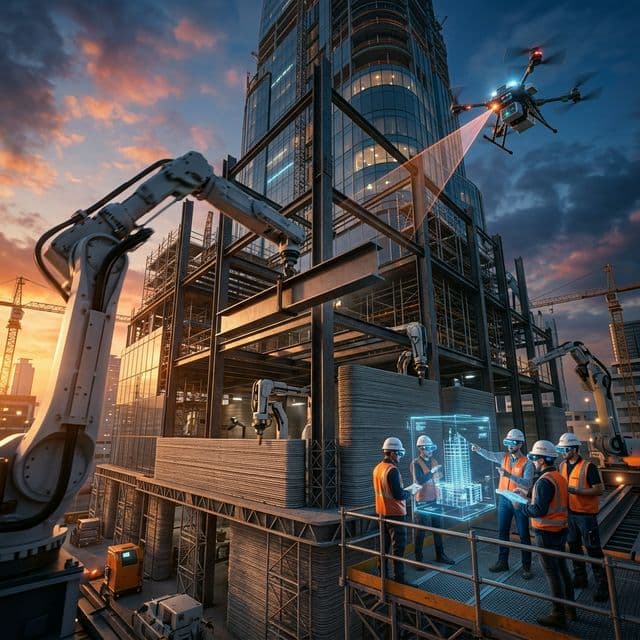
10 Technologies Reshaping Construction in 2026
Bricklaying robots that lay 1,000 blocks/hour. 3D printers extruding entire neighborhoods. AI schedulers that cut delays by 25%. These aren't coming — they're already on jobsites. Here's what every builder, developer, and investor needs to know.
The construction industry is undergoing its biggest technological transformation since the shift to steel framing. In 2026, AI-powered scheduling reduces project delays by 15-25%. Autonomous robots like the Hadrian X lay 1,000 bricks per hour — 10x faster than a human mason. ICON's 3D printers are building entire neighborhoods in Texas with homes starting at $350,000. Dusty Robotics' FieldPrinter 2 prints full-scale floor plans on concrete with 1/16" accuracy, eliminating weeks of manual layout. UDGOK deploys AI estimating, robotic total stations, and drone photogrammetry on every project — bringing these technologies to Oklahoma's construction market.
AI-Powered Project Scheduling
Agentic AI systems now manage entire construction schedules autonomously — analyzing weather patterns, workforce availability, material lead times, and permit timelines to predict and prevent delays before they happen. In 2026, AI-powered scheduling reduces delays by 15-25% and cost forecasting models adjust budgets in real-time based on market data.

10 Ways Construction Contractors Can Use AI (Today)
Autonomous Bricklaying Robots
FBR's Hadrian X bricklaying robot just broke its speed record — laying up to 1,000 bricks per hour compared to a human mason's 100. The truck-mounted robot uses 3D CAD models to autonomously cut, route, and place blocks with millimeter precision, operating through wind conditions that would halt manual work. One unit can build 100-300 homes per year.
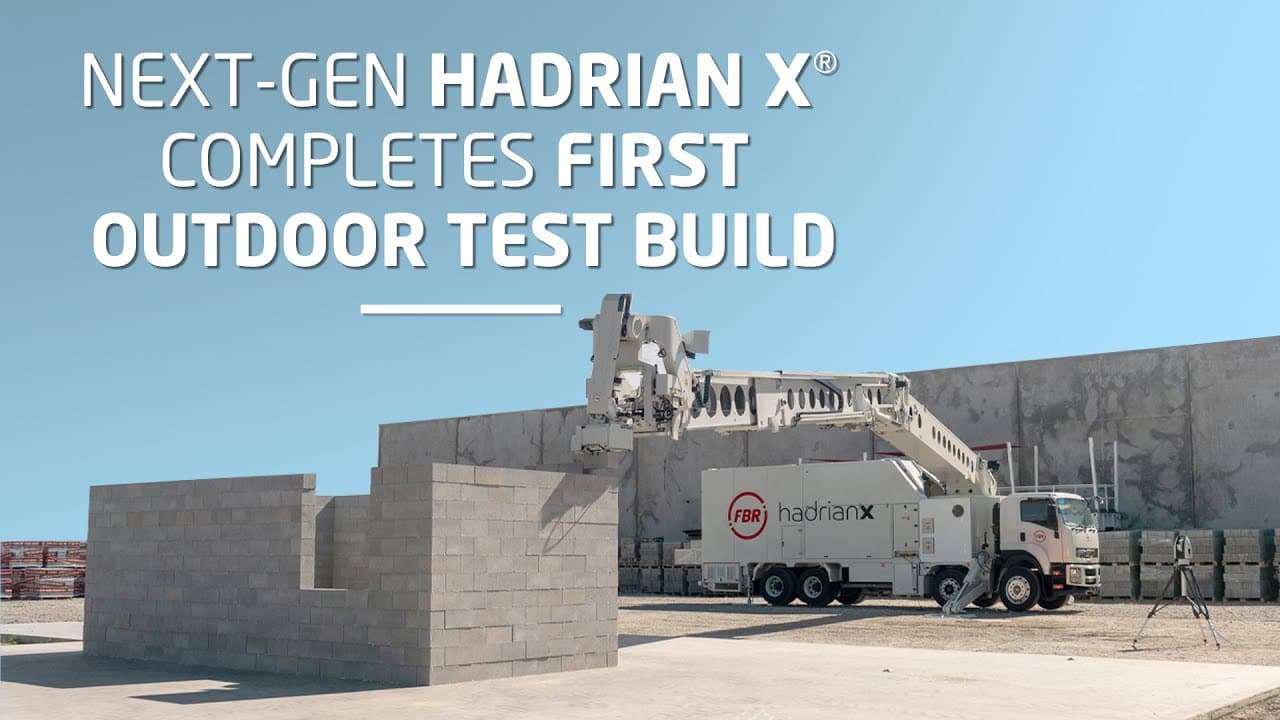
Next-Gen Hadrian X® Completes First Outdoor Test Build | FBR
3D-Printed Neighborhoods
ICON's Vulcan printer has already built entire neighborhoods in Georgetown, Texas — the world's largest community of 3D-printed homes. Their next-gen Titan system, a rail-less, multi-story capable 3D-printing platform launching in 2026, promises to open the technology to outside builders. Walls are printed in 24-48 hours using CarbonX, a low-carbon cementitious material, at approximately $20/sf for wall systems.

Inside The World's Largest 3D Printed Neighborhood
Robotic Layout Printing
Dusty Robotics' FieldPrinter 2 autonomously prints full-scale digital building plans directly onto concrete slabs with 1/16-inch accuracy. One operator covers 10,000-15,000 square feet per day — eliminating weeks of manual layout work and the coordination errors that cause millions in rework annually. The system integrates directly with BIM models.
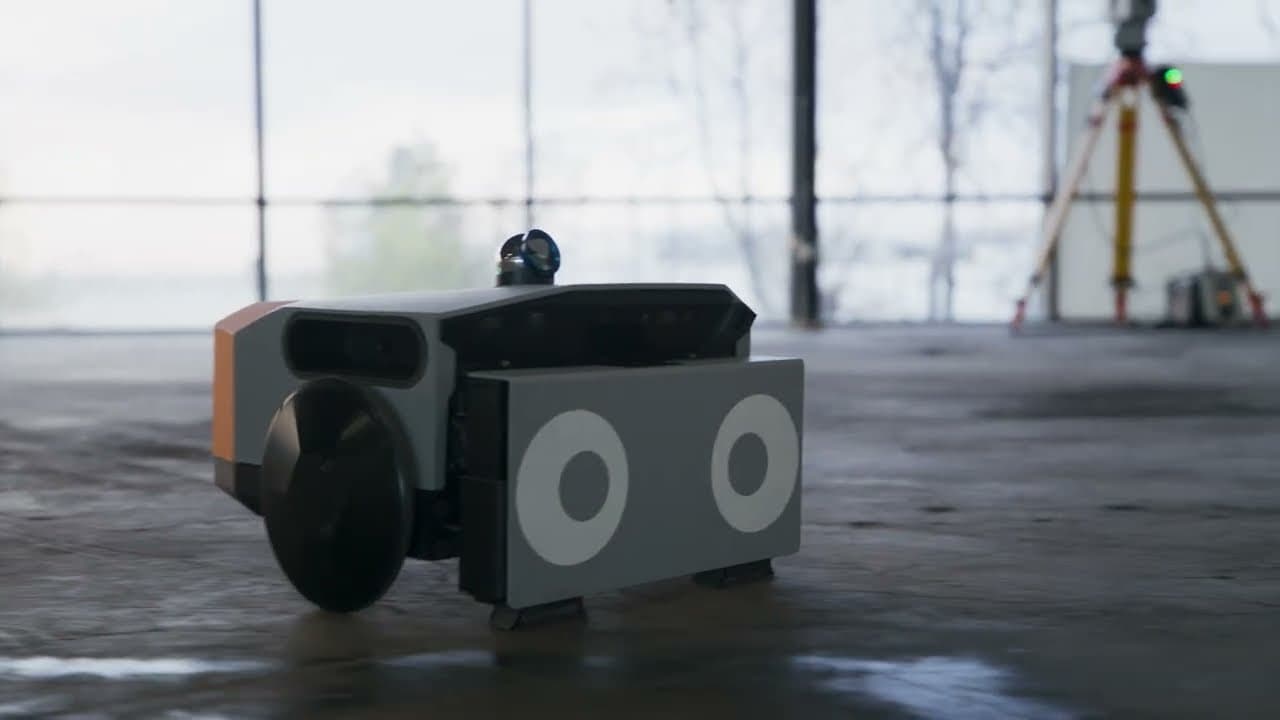
Dusty Robotics FieldPrinter 2: Smarter, Faster, More Powerful
Autonomous Drone Swarms
Construction drones have evolved far beyond photography. In 2026, autonomous drone swarms fly pre-programmed paths without a pilot, capture LiDAR point clouds, generate 3D models, and compare progress against BIM in near real-time. AI analysis detects potential issues — thermal cameras spot leaks, deformation sensors catch structural problems — before they become costly repairs. Site accidents are reduced by up to 20%.
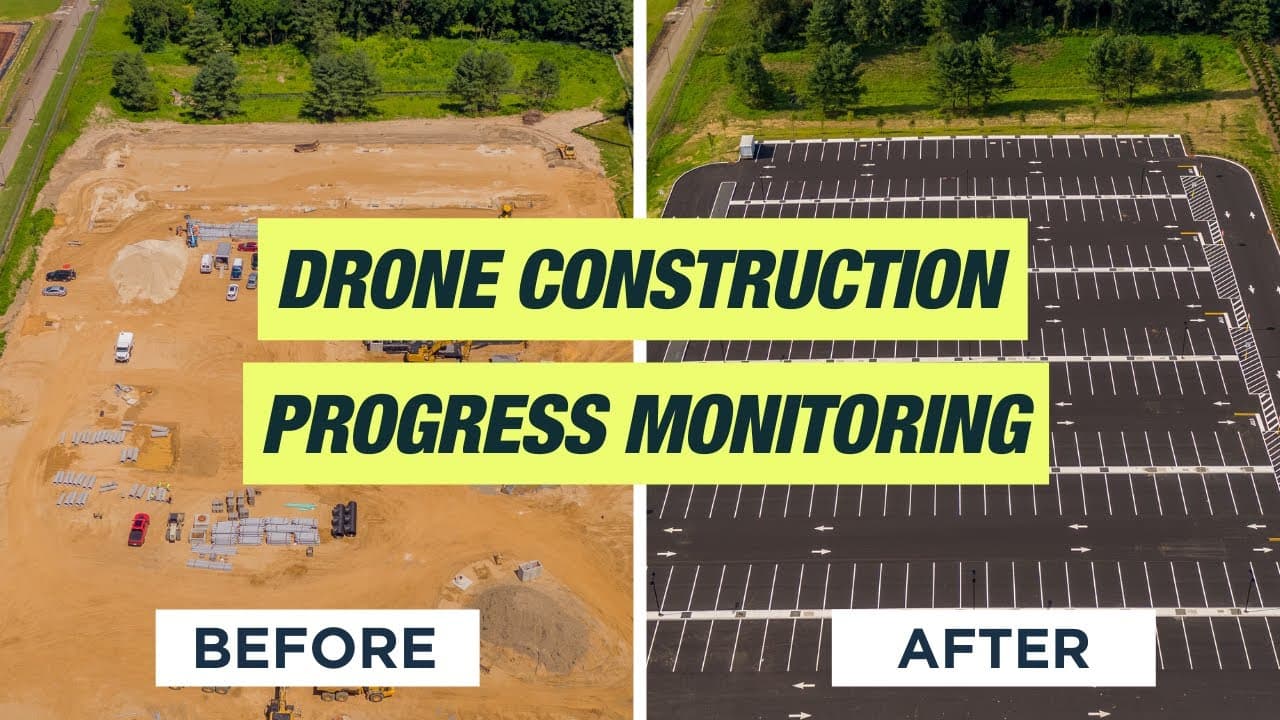
Drone Construction Progress Monitoring: Flight Demonstration
Digital Twin Technology
Digital twins — living, data-rich 3D replicas synced with real-world IoT sensors — are becoming the central nervous system of modern construction. They detect MEP clashes before a single pipe is cut (saving $5,000-$50,000+ per conflict), simulate energy performance before HVAC equipment is purchased, and track real-time schedule deviations. After construction, the twin serves as the building's permanent management platform.
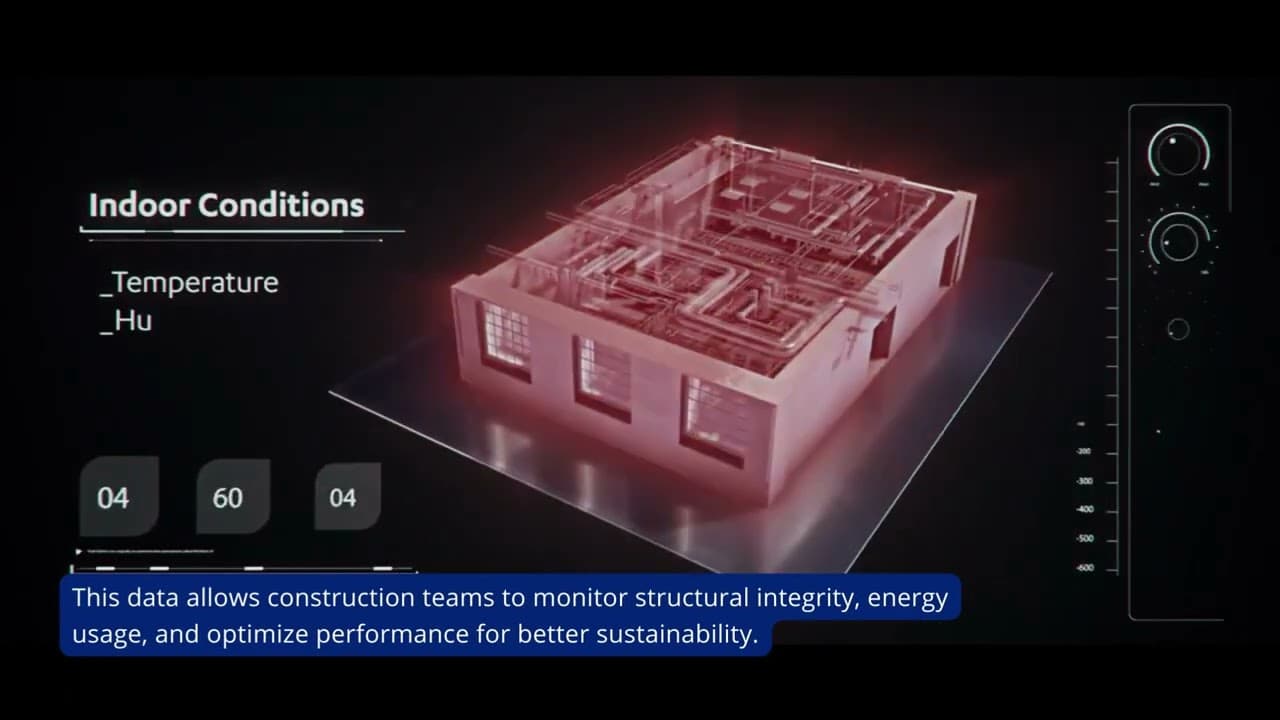
Digital Twin in the AEC Industry
Modular & Prefabricated Construction
Factory-built modules — bathroom pods, MEP racks, wall panels, even entire rooms — are shipped to site and craned into position in hours. Modular construction eliminates weather delays, ensures factory-level quality control, and reduces on-site labor by 40-50%. In healthcare construction, prefabricated headwalls and medical gas assemblies are becoming standard practice, compressing timelines by weeks.
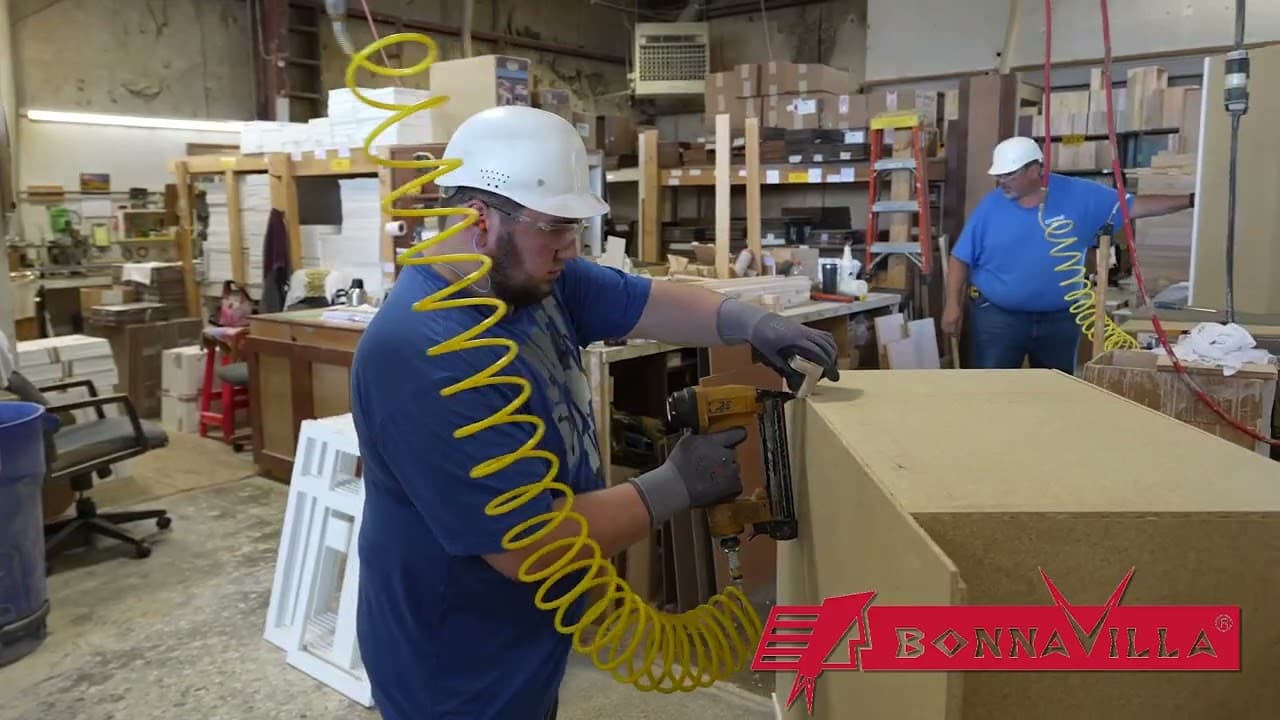
How It's Made: BonnaVilla Manufactured Modular Homes
Augmented & Virtual Reality
AR headsets let field teams see BIM models overlaid on the actual jobsite — revealing hidden ductwork, pipe routes, and electrical runs behind walls before they're built. VR walk-throughs allow clients to experience their building at full scale before construction begins, catching design issues that would cost 10-100x more to fix in the field. Training in VR has reduced safety incident rates by 40% in pilot programs.

Augmented Reality in Civil Engineering & Construction
Computer Vision Safety Systems
AI-powered cameras now watch construction sites 24/7, detecting unsafe acts in real-time: workers without hard hats, missing harnesses at height, unauthorized zone entry, and equipment proximity violations. The systems generate instant alerts to the site superintendent's phone. Computer vision is becoming a core intelligence layer — not just a security camera — tracking PPE compliance, monitoring equipment utilization, and documenting progress automatically.
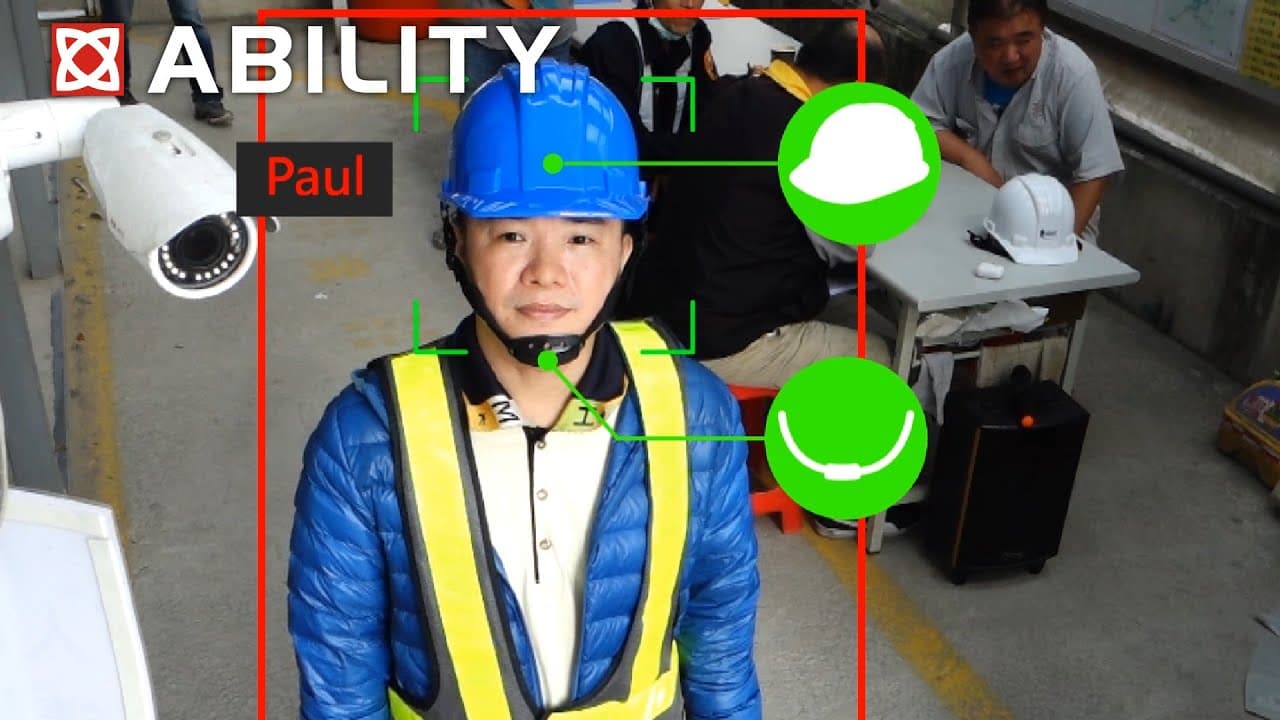
Construction Site Safety with Ability AI Cameras
Generative AI for Design
Generative AI algorithms can now produce hundreds of floor plan variants optimized for specific constraints — budget, workflow, patient throughput (in medical), natural light, code compliance — in hours rather than weeks. ICON's Vitruvius AI can produce full construction documents and permit-ready designs autonomously. At UDGOK, we use AI-assisted design to optimize medical office layouts for patient flow and operatory efficiency.

5 Insane Ways to Use AI for Architecture and Design
Oklahoma's Most Tech-Forward Contractor
AI-Powered Estimating
ML models trained on 100+ projects deliver budget certainty within 48 hours
Robotic Total Stations
Sub-millimeter layout accuracy for medical and dental operatory placement
Drone Photogrammetry
Weekly aerial progress documentation with volumetric earthwork calculations
BIM/VDC Clash Detection
Revit modeling and Navisworks coordination eliminate field conflicts
Predictive Scheduling
Statistical risk models forecast delays before they impact your timeline
AI Transparency Policy
Published disclosure of how AI influences our work — udgok.com/transparency
Technology Impact by the Numbers
Construction Technology — Common Questions
What construction technologies are most impactful in 2026?
+How much do construction robots cost?
+Can 3D printing build a real house?
+How is AI used in construction management?
+What are digital twins in construction?
+Does UDGOK use construction technology?
+Build with Technology.
Build with UDGOK.
Get a free estimate for your commercial, medical, or industrial project. AI-powered budgets delivered within 48 hours.