Scope of Services
We provide comprehensive Design-Build services for the medical sector. Our team understands that medical construction is not just about walls and floors; it's about patient flow, infection control, and complex mechanical systems.
- Medical Office Buildings (MOBs): Shell and core or interior build-outs.
- Ambulatory Surgery Centers (ASCs): Licensed facilities meeting strict state guidelines.
- Diagnostic Imaging Centers: Lead shielding and structural support for MRI/CT.
- Urgent Care Clinics: Rapid deployment prototypes.
Our Design-Build Process
As a Design-Build firm, UDGOK serves as your single point of contact from concept to completion. Our proven 5-phase process eliminates the communication gaps that plague traditional construction delivery methods.
Phase 1: Feasibility & Programming (Weeks 1-2)
We begin with a comprehensive site assessment and programming consultation. Our team evaluates your location, budget parameters, and operational requirements. In Tulsa's competitive healthcare market, getting this phase right prevents costly changes later. We provide preliminary cost estimates within 10% of final budgets, giving you confidence before you sign a lease or purchase property.
Phase 2: Design Development (Weeks 3-8)
Our in-house architectural and engineering team develops detailed drawings and specifications. For medical facilities, this includes HVAC zoning for infection control, electrical infrastructure for sensitive medical equipment, and plumbing layouts for exam rooms. We use Building Information Modeling (BIM) to identify and resolve conflicts before construction begins—reducing change orders by up to 40% compared to traditional methods.
Phase 3: Pre-Construction (Weeks 9-12)
We finalize construction documents, obtain permits from the City of Tulsa, and coordinate with utility providers. For healthcare facilities requiring Oklahoma State Department of Health licensure, we prepare and submit compliance documentation. Our GMP (Guaranteed Maximum Price) contract provides price certainty before ground breaks.
Phase 4: Construction (Weeks 13-24+)
Our PMP-certified project managers oversee daily construction activities with rigorous quality control. We maintain OSHA 30 safety standards and implement infection control protocols when working in occupied healthcare environments. Weekly progress meetings keep you informed, and our cloud-based project portal provides 24/7 access to schedules, submittals, and documentation.
Phase 5: Commissioning & Turnover
Before you see your first patient, we complete a thorough commissioning process. This includes testing all medical gas systems, verifying HVAC performance, conducting ADA compliance walkthroughs, and coordinating final inspections. We provide comprehensive training on all building systems and warranty documentation.
Types of Medical Offices We Build
Tulsa's healthcare market demands specialized facilities. We've successfully delivered projects across the full spectrum of medical office types, each with unique requirements and regulatory considerations.
Primary Care Clinics
Family medicine and internal medicine practices form the backbone of Tulsa's healthcare delivery. These facilities typically include 6-12 exam rooms, a procedure room, laboratory space, and waiting areas optimized for patient flow. Primary care clinics in the Tulsa metro area average 3,000-5,000 square feet. Key considerations include efficient patient circulation to minimize wait times, accessible examination rooms meeting ADA standards, and adequate electrical infrastructure for diagnostic equipment.
Specialty Physician Practices
Dermatology, cardiology, orthopedics, and other specialties require purpose-built spaces with specific equipment needs. Cardiology clinics need stress testing rooms with reinforced flooring for treadmill equipment. Orthopedic practices require radiology capabilities and physical therapy space. ENT specialists need audiology booths with specialized acoustic treatment. Our experience with Tulsa's specialty physicians means we understand these nuanced requirements upfront.
Ambulatory Surgery Centers (ASCs)
As healthcare shifts from hospital-based to outpatient settings, ASCs have become increasingly popular in the Tulsa market. These state-licensed facilities require rigorous compliance with Oklahoma State Department of Health regulations, including surgical suite construction meeting ISO Class 5 cleanroom standards. We navigate the complex licensing process while building facilities that serve multiple surgeon specialties.
Urgent Care Centers
The urgent care model continues rapid growth in Tulsa, with patients seeking convenient, no-appointment healthcare. These facilities require efficient patient flow design, radiographic capabilities for fracture care, and lab specimen collection areas. Construction timelines are typically compressed—our design-build approach accelerates delivery by overlapping phases.
Diagnostic Imaging Centers
MRI, CT, and mammography facilities require specialized construction. MRI suites need non-ferromagnetic materials and RF shielding. CT scanners require structural support for unit weight and radiation shielding. We coordinate with equipment vendors early to ensure structural and electrical readiness.
Compliance Standards for Medical Construction
Medical facility construction involves navigating multiple regulatory frameworks. Our team ensures every project meets or exceeds requirements from federal, state, and local authorities.
HIPAA Compliance
The Health Insurance Portability and Accountability Act establishes standards for protecting patient health information. In construction terms, HIPAA compliance means visual privacy (patient identities cannot be observed from public areas), acoustic privacy (conversations cannot be overheard through walls), and secure data infrastructure. We specify STC-50 rated walls for consultation rooms and coordinate with IT teams for secure network infrastructure. Tulsa healthcare providers trust us because we understand that HIPAA is not just a checkbox—it's fundamental to your practice's reputation.
ADA Accessibility
The Americans with Disabilities Act mandates specific accessibility standards for medical facilities—stricter than general commercial buildings. Exam rooms must provide wheelchair turning radius, accessible height examination tables, and proper grab bar installation. Restrooms require specific dimensions, grab bars, and accessible sinks. Waiting areas need wheelchair-accessible seating. We conduct ADA compliance walkthroughs throughout construction and final certification before Certificate of Occupancy.
OSHA Safety Standards
For healthcare construction, OSHA requirements extend beyond typical construction safety. When working in occupied healthcare facilities, we implement stringent infection control measures including negative air pressure containment, HEPA filtration, and strict dust control. Our crew members hold OSHA 30 certifications, and we maintain comprehensive safety protocols specific to healthcare environments.
Oklahoma State Department of Health (OSDH)
Facilities providing surgical services, anesthesia, or certain diagnostic services require OSDH licensure. We prepare construction documentation packages specifically formatted for OSDH review, including detailed medical gas specifications, HVAC calculations, and infection control documentation. Our relationships with OSDH inspectors streamline the approval process.
City of Tulsa Permits
Beyond health regulations, all medical facilities require standard building permits from the City of Tulsa, including structural, mechanical, electrical, and plumbing permits. Medical facilities also require Fire Marshal approval and may need zoning variance for medical use in certain districts. We handle the entire permitting process as part of our Design-Build service.
Medical Gas Systems
Medical gas installation is among the most specialized aspects of healthcare construction. At UDGOK, we maintain relationships with certified medical gas installers who hold Medical Gas Installer certifications through the American Society of Mechanical Engineers (ASME).
Oxygen Systems
Oxygen is the most common medical gas, required in exam rooms, procedure rooms, and surgical suites. We install main distribution headers, zone valve boxes, and outlet connections meeting NFPA 99 requirements. All oxygen piping undergoes pressure testing and third-party verification before clinical use.
Nitrous Oxide (N2O)
Dental practices and surgical centers require nitrous oxide systems for sedation. These installations require careful attention to scavenging systems that remove exhaled gas to maintain safe ambient levels. We coordinate with dental equipment suppliers to ensure proper integration.
Medical Air & Vacuum
Compressed medical air powers surgical instruments and supports patient breathing. Medical vacuum systems remove fluids and debris during procedures. Both require specialized oil-free compressors and sophisticated alarm systems.
Certification & Testing
All medical gas systems require verification by an independent third-party tester holding ASME certification. We coordinate this process and provide documentation for OSDH licensure. Our certified installers understand the critical nature of these systems—installation errors can have life-threatening consequences.
Technology Infrastructure
Modern medical practices depend on sophisticated technology infrastructure. We build facilities ready for current and future technology demands.
EMR/EHR Integration
Electronic Medical Records systems require robust network infrastructure. We coordinate with your IT vendor to install sufficient Cat6A or fiber cabling, network closet climate control, and backup power provisions. Tulsa's leading practices use systems like Epic, Cerner, and athenahealth—all requiring specific infrastructure considerations.
Telemedicine Capabilities
The COVID-19 pandemic accelerated telemedicine adoption, and it remains a critical service delivery model. We build examination rooms with professional lighting, acoustic treatment, and high-bandwidth connectivity for telehealth consultations. Some Tulsa practices now conduct 30%+ of visits via telemedicine.
Security Systems
Healthcare facilities require integrated security systems including access control, video surveillance, and panic alarms. We coordinate with security consultants to design systems meeting HIPAA requirements while maintaining convenient patient access.
Future-Proofing
Technology evolves rapidly. We specify conduit pathways and electrical capacity to accommodate future equipment additions without major renovation. This approach protects your investment as healthcare technology continues advancing.
Recent Medical Construction Projects
Our portfolio demonstrates experience across all medical facility types in the Tulsa metropolitan area.
The Eye Institute – Tulsa
Project Size: 6,200 square feet
Completion: Q3 2024
Scope: Complete build-out of ophthalmology clinic near Utica Square, including diagnostic imaging rooms with specialized equipment pads, surgical suite with ISO 5 cleanroom standards, and patient reception area. Challenges included structural reinforcement for heavy imaging equipment and complex HVAC zoning for temperature-sensitive diagnostic areas.
South Tulsa Pediatric Associates
Project Size: 4,800 square feet
Completion: 2024
Scope: Design-build delivery of pediatric clinic with child-friendly waiting area, 10 exam rooms, and procedure room. Special considerations included child-scale fixtures, infection control protocols, and family-friendly consultation spaces.
Riverside Medical Plaza
Project Size: 12,000 square feet
Completion: 2023
Scope: Multi-tenant medical office building shell with interior build-outs for three physician practices. HVAC systems designed for future tenant customization. Project delivered 15% under original budget through value engineering during design phase.
Mini-Portfolio
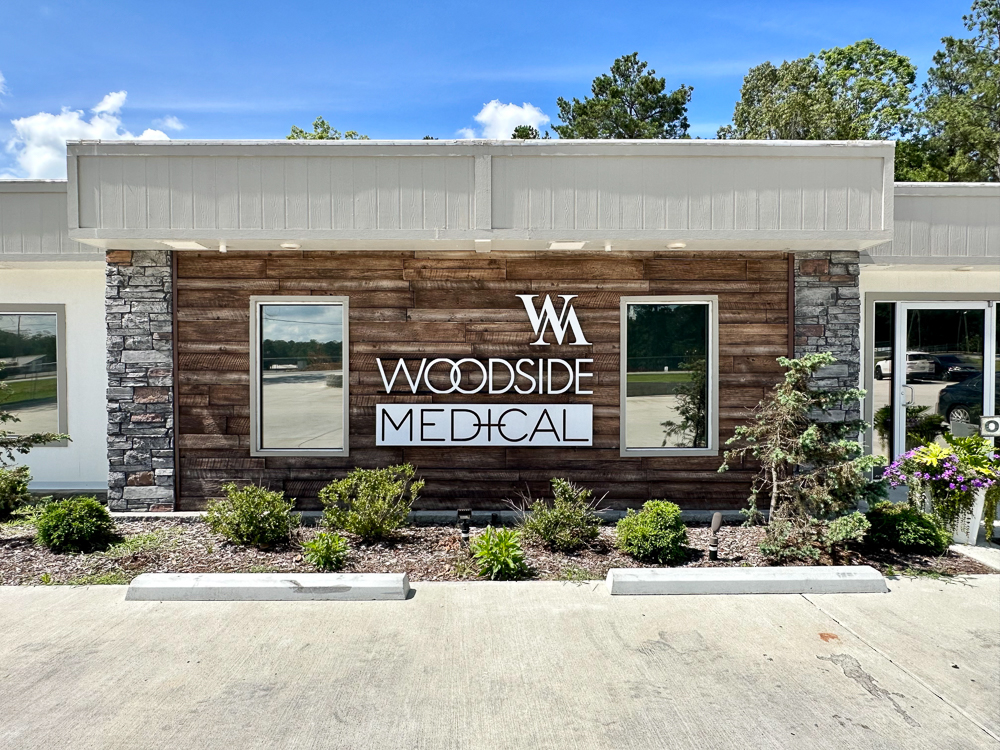
Riverside Clinic
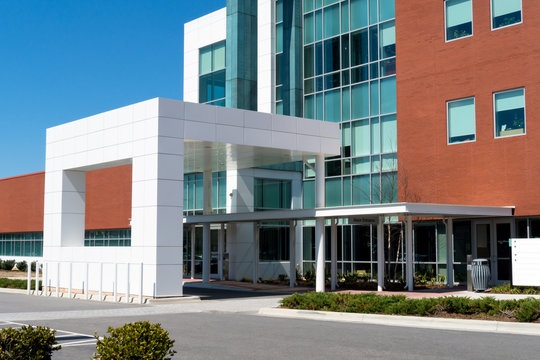
South Tulsa Peds
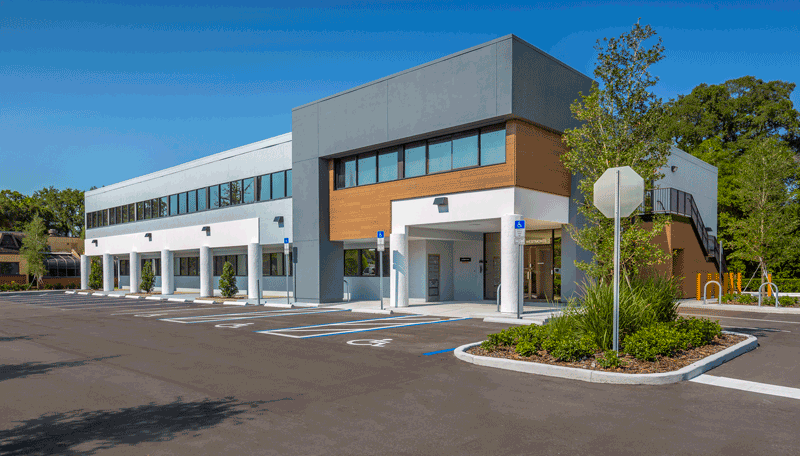
Jenks Medical Plaza
Constraints & Cost Drivers
Medical construction costs in Tulsa typically range from $180 to $250+ per sq. ft. for interior build-outs, depending on the complexity. Key drivers include:
1. Mechanical, Electrical, Plumbing (MEP): Exam rooms require sinks, specialized lighting, and robust HVAC filtration (HEPA) to mitigate airborne pathogens.
2. Medical Gas Systems: Oxygen, nitrous oxide, and vacuum lines require certified installers and third-party verification.
3. Radiation Shielding: X-ray and CT rooms need lead-lined drywall and doors, which must be calculated by a physicist.
4. Soundproofing: HIPAA privacy rules dictate high STC ratings for walls between patient rooms.
Permitting in Tulsa
The City of Tulsa requires specific documentation for medical facilities. A "Certificate of Occupancy" is critical and often requires inspections from the Fire Marshal and Health Department. We handle the entire process, including:
- Zoning verification for medical use.
- Submitting MEP plans for review.
- Coordinating with the Oklahoma State Department of Health (OSDH) for licensed facilities.
Frequently Asked Questions
Yes, we install lead-lined drywall, lead glass windows, and heavy-duty doors per physicist reports.
A standard 2,500 sq. ft. clinic takes about 12-16 weeks after permits are issued.
Yes, our preconstruction team can evaluate potential lease spaces for feasibility before you sign.
We build to HIPAA standards, ensuring visual and acoustic privacy for patients.
We coordinate with certified medical gas plumbers and verifiers to ensure compliance.
Strict ADA compliance is mandatory for medical facilities. We ensure all clearances are met.
Yes, we are experts in infection control and dust mitigation for working in active hospitals.
Yes, as a Design-Build firm, we provide architectural and engineering design services.
We provide a standard 1-year workmanship warranty, plus manufacturer warranties on equipment.
Our Design-Build approach minimizes change orders by resolving design conflicts early.